
When considering construction methods, two prominent options often come to mind: drywall construction and traditional brick-and-mortar. Each method has its own advantages and disadvantages, depending on the project requirements, budget, and timeline.
1. Speed of Construction
Drywall construction is known for its speed and efficiency. It utilizes prefabricated materials like gypsum boards that can be quickly assembled, reducing the overall construction time. This method is ideal for projects with tight deadlines or when you need to minimize on-site labor.
In contrast, traditional construction is more time-consuming, involving a series of steps such as laying bricks, plastering, and curing, which can extend the project’s duration.
2. Cost Efficiency
Drywall is generally more cost-effective than traditional construction. The materials used in drywall are often cheaper, and the reduced labor time also contributes to lower costs. Additionally, drywall construction generates less waste, saving on disposal costs.
On the other hand, traditional construction can be more expensive due to the longer time frames, the cost of materials like cement and bricks, and the extensive labor required.
3. Flexibility and Versatility
Drywall construction offers more flexibility. It is easier to modify or remove drywall partitions, making it ideal for spaces that require frequent changes, such as offices or retail spaces. The installation of electrical and plumbing systems is also more straightforward with drywall.
Traditional construction, while durable, is less adaptable. Changes often involve significant demolition and rebuilding, which can be both time-consuming and costly.
4. Environmental Impact
Drywall construction tends to have a lower environmental impact. The materials used are lighter and more sustainable, and the method produces less dust and debris. This can contribute to a healthier indoor environment and reduce the project’s carbon footprint.
Traditional construction typically involves heavier materials and can generate more waste, which needs to be managed properly to minimize environmental harm.
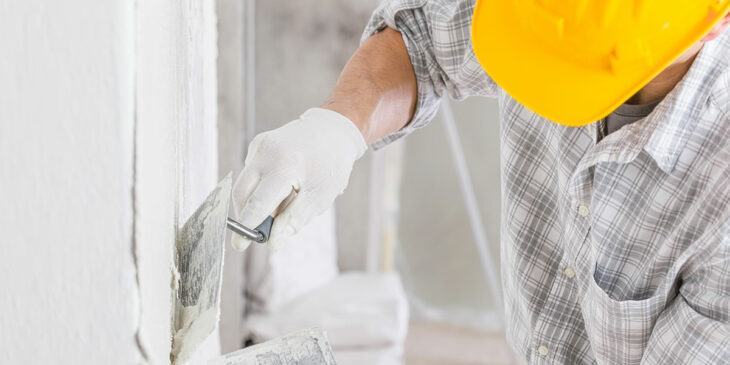
Choosing between drywall and traditional construction depends largely on your project needs. For a quicker, more adaptable, and cost-effective solution, drywall construction is often the preferred choice. For projects where durability and long-term structural integrity are priorities, traditional construction might be better.
At Sistemas y Obras, we specialize in both methods and can help you determine the best option for your project. Contact us to discuss your needs and find out how we can make your construction process seamless and efficient.